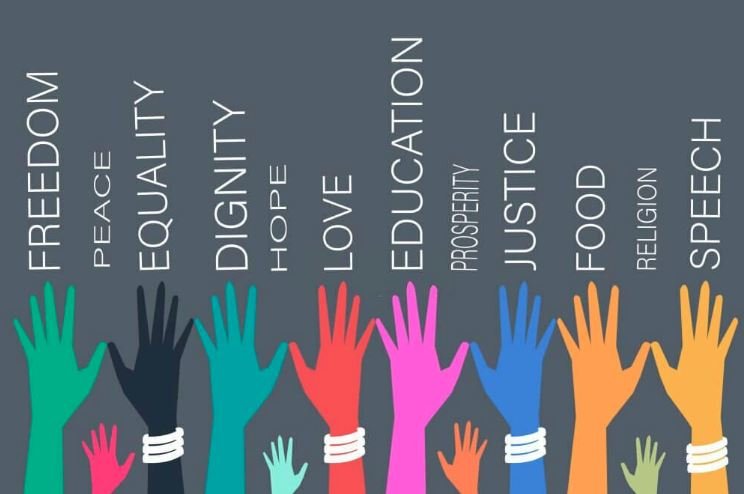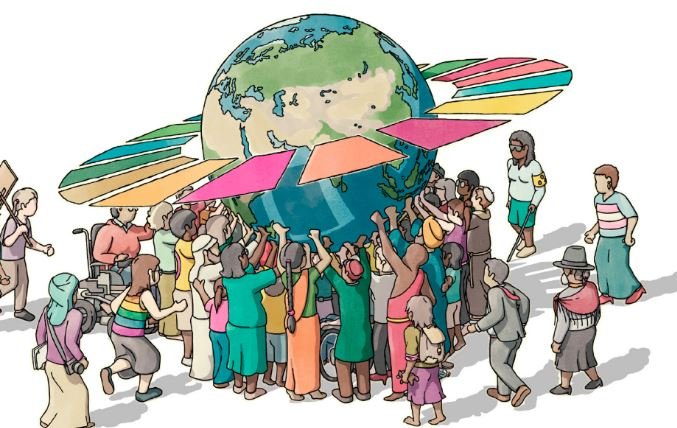
The Role of Art in Human Rights Advocacy

Art has long been recognized as a powerful tool for expressing ideas, provoking emotions, and igniting social change. In the realm of human rights advocacy, art plays a crucial role in shedding light on injustices, giving voice to marginalized communities, and challenging societal norms. In this post, we will explore the significant role art plays
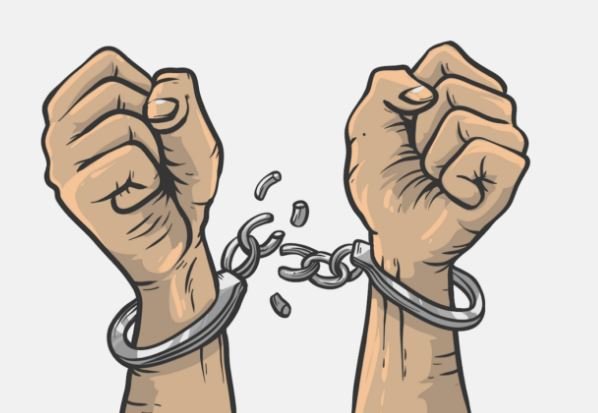
10 Key Human Rights Every Person Should Know

Understanding key human rights is fundamental to promoting dignity, equality, and justice for all individuals. Here are 10 essential human rights that every person should know: Right to Life: Every person has the inherent right to life, and governments must protect individuals from arbitrary deprivation of life.  Right to Freedom from Torture and Inhumane Treatment:

Freedom of Speech: Understanding Its Importance

Freedom of speech is a cornerstone of democratic societies and a fundamental human right that allows individuals to express their thoughts, opinions, and beliefs without fear of censorship or retaliation. This right is enshrined in many international human rights documents, including the Universal Declaration of Human Rights and the First Amendment of the United States

Corporate Responsibility and Human Rights

Corporate responsibility is a crucial factor in promoting and protecting human rights. As influential entities in global economies, corporations have the power to impact and influence the human rights landscape both positively and negatively. In this post, we will explore the concept of corporate responsibility in relation to human rights and discuss the importance of

How to Get Involved in Human Rights Campaigns

Getting involved in human rights campaigns is a powerful way to contribute to positive change and advocate for the protection and promotion of human rights. Here are some steps you can take to get involved: Educate Yourself: Learn about human rights issues that interest you and understand the root causes and impact they have on

Cultural Rights: Preserving Heritage and Identity

Cultural rights are an integral part of human rights, encompassing the freedom to participate in and contribute to cultural life and the preservation of one’s heritage and identity. These rights recognize the importance of diverse cultural expressions and safeguard individuals’ ability to enjoy and share their cultural traditions. In this post, we will explore the

LGBTQ+ Rights: Achievements and Ongoing Struggles

The fight for LGBTQ+ rights has seen significant progress over the past few decades, but many challenges still remain. Understanding the achievements and ongoing struggles in this movement is crucial for continuing the push towards equality and justice for all. Achievements in LGBTQ+ Rights 1. Legal Recognition of Same-Sex Marriage One of the most significant

Racial Equality: Combating Discrimination and Prejudice

Racial discrimination and prejudice continue to be pervasive issues that undermine the principles of equality, justice, and respect for human rights. Building a society that embraces racial equality requires collective action, awareness, and strategies to challenge discrimination and prejudices. In this post, we will explore the importance of combating racial discrimination, promoting understanding, and fostering

Human Rights in the Criminal Justice System

The criminal justice system serves as the cornerstone of a just and democratic society. This system must uphold and protects the fundamental human rights of all individuals involved, including victims, suspects, and convicted persons. In this post, we will delve into the significance of human rights in the criminal justice system and the measures necessary

The Intersection of Human Rights and Technology

Technology plays an increasingly integral role in our lives, transforming the way we communicate, work, and navigate the world. However, as technology advances, it presents both challenges and opportunities concerning the protection and promotion of human rights. In this post, we will explore the complex intersection between human rights and technology, examining the potential impacts,